
The History of GTA: How the Series Built Toward GTA 6
From top-down 1997 chaos to Los Santos and back to Vice City, here's how each mainline GTA game shaped the series Rockstar is building on with GTA 6.
 By Ria Amano SEP 15, 2026 7 MIN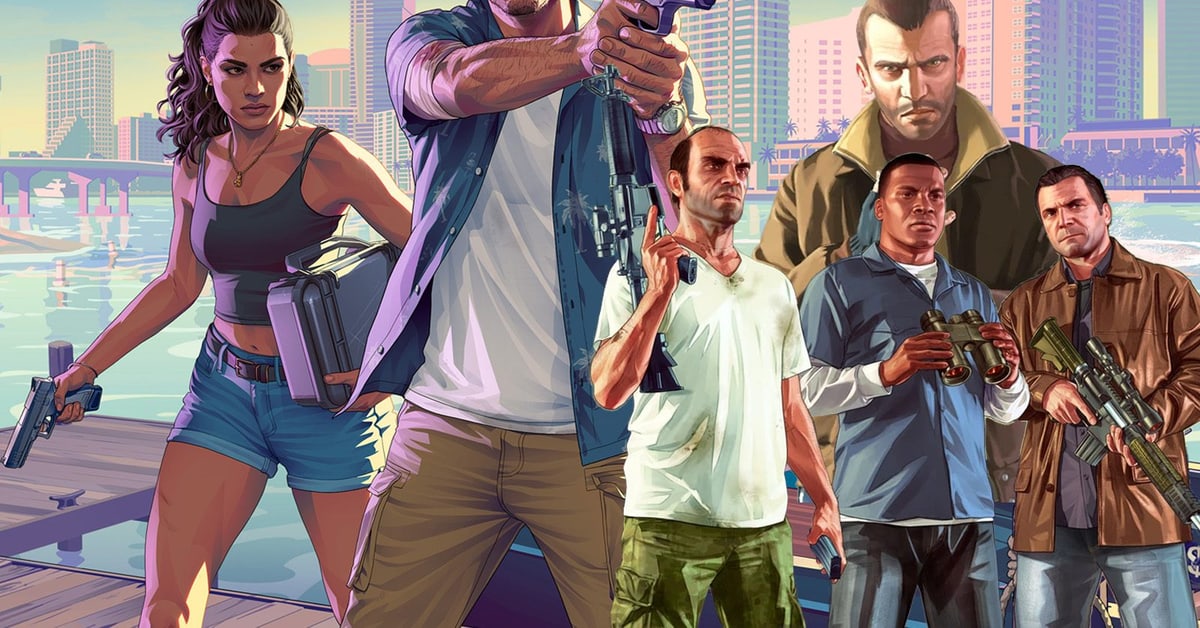
Quick answer
From top-down 1997 chaos to Los Santos and back to Vice City, here's how each mainline GTA game shaped the series Rockstar is building on with GTA 6.
- Focus
- Origins
- Game
- Grand Theft Auto
- Reading time
- 7 MIN
GTA 6 didn't appear out of nowhere. Every mainline entry changed something the next one built on, city design, protagonist structure, tone. Here's the real chain of decisions that leads to Leonida.
Quick Answer
GTA started as a top-down 1997 crime game, went 3D with GTA III in 2001, returned to Vice City in 2002, expanded into a full state with San Andreas in 2004, went for realism with GTA IV in 2008, and combined everything into three protagonists for GTA V in 2013. GTA 6 returns to Vice City with two leads instead of three.
1997–1999: The Top-Down Original
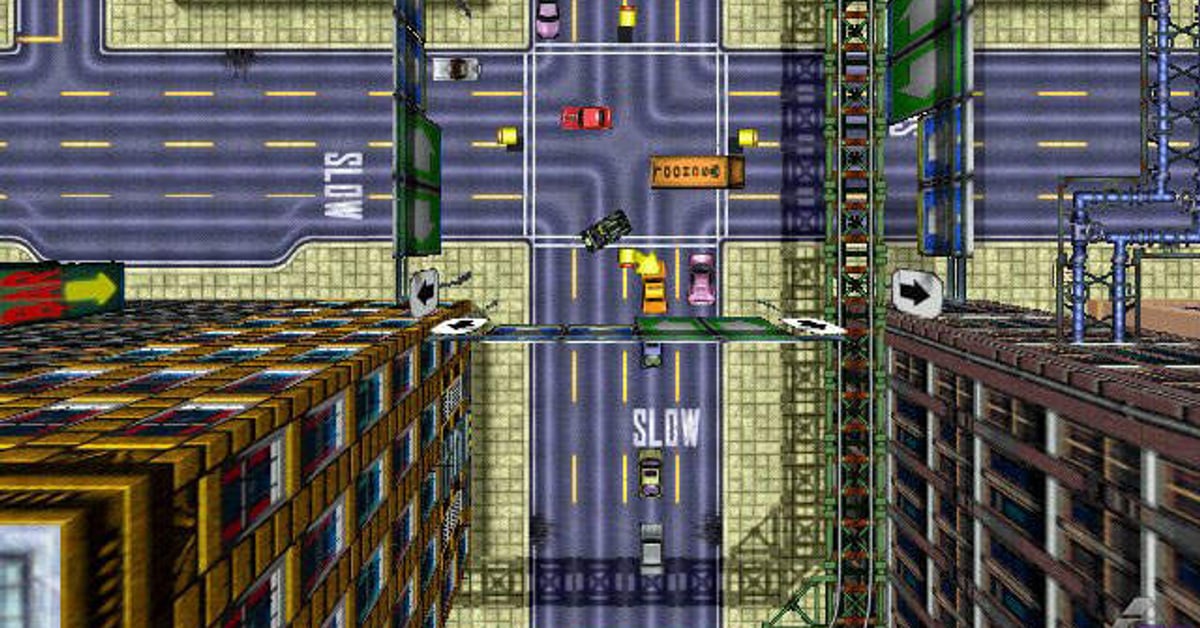
The first Grand Theft Auto (1997) was a top-down, two-dimensional crime game across fictional versions of New York, San Francisco, and Miami. It was controversial on release for its violence, but it established the series' core idea early: freedom to cause chaos in a living city, with missions layered on top rather than a fixed linear path.
2001: GTA III Goes 3D
Grand Theft Auto III (October 2001) rebuilt the series in full 3D, moving the action to a reimagined Liberty City. This is the game that made GTA's open-world formula recognizable in the form players know today, a silent protagonist (Claude), a fully drivable city, and a structure of story missions plus open-ended exploration.
2002: Vice City, the First Return
Grand Theft Auto: Vice City (October 2002) is the direct ancestor of GTA 6's setting. Set in a fictional, Miami-inspired city in 1986, it followed Tommy Vercetti building a criminal empire after a botched drug deal. Vice City's neon, synth-heavy 1980s aesthetic became one of the series' most iconic identities, which is exactly why Rockstar's decision to return there for GTA 6 carries so much weight with longtime fans.
2004: San Andreas Expands the Scale
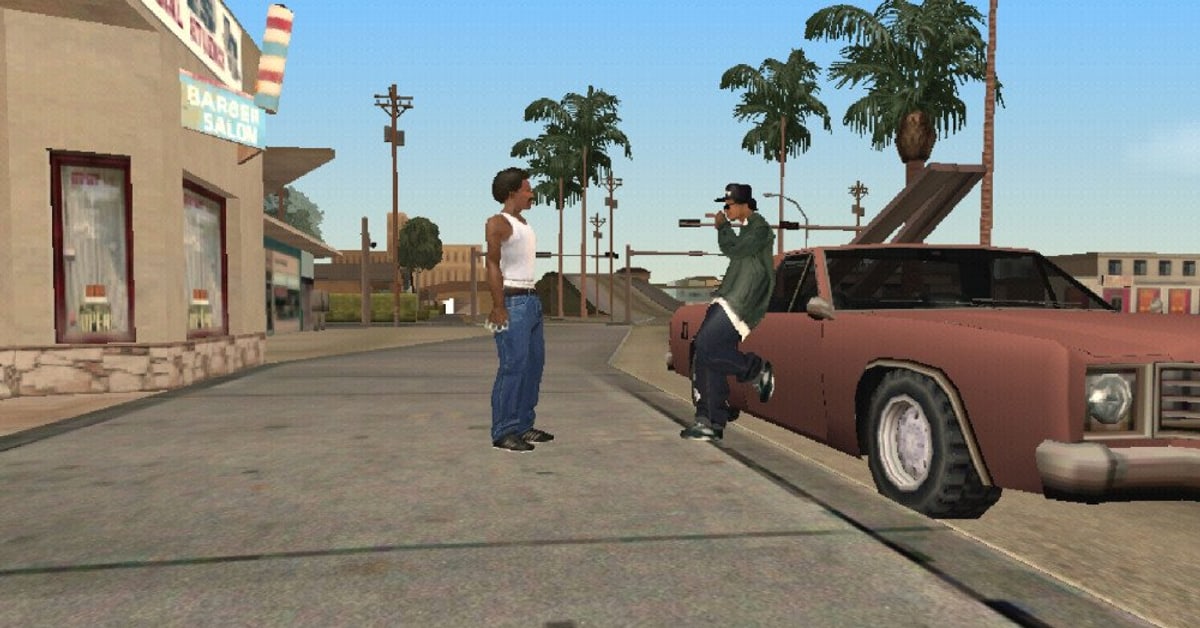
Grand Theft Auto: San Andreas (October 2004) was the series' biggest leap in scope to that point, three cities (Los Santos, San Fierro, Las Venturas) inside one fictional state, plus RPG-style systems like character stats, customization, and property ownership. It set the precedent that a mainline GTA game could be a full state, not just one city, the same ambition GTA 6 is scaling up again with Leonida.
2008: GTA IV Chases Realism
Grand Theft Auto IV (April 2008) pulled back on some of San Andreas's RPG systems in favor of tone and physics realism, following immigrant protagonist Niko Bellic through a darker, more grounded Liberty City. It's the entry most associated with Rockstar's shift toward cinematic, character-driven storytelling, a throughline that leads directly to GTA 6's emphasis on Lucia and Jason's relationship as the story's core.
2013: GTA V and the Three-Protagonist Structure
Grand Theft Auto V (September 2013) returned to San Andreas and Los Santos with a structural first: three playable protagonists, Michael, Franklin, and Trevor, switchable at will, each representing a different relationship to crime. GTA V remains one of the best-selling entertainment products of all time and set the template for over a decade of live-service support through GTA Online.
2026: GTA 6 Keeps What Works, Changes What Doesn't
GTA 6 borrows directly from this history rather than reinventing it: Vice City's setting from 2002, San Andreas's ambition of a full state rather than one city, GTA IV's character-first tone, and GTA V's multi-protagonist switching, narrowed from three characters down to two, Lucia Caminos and Jason Duval, built specifically around their relationship rather than three separate arcs. For the full rundown of what's confirmed about GTA 6 itself, see our [pillar guide].
Related Reading
- Want every confirmed GTA 6 detail in one place? Read our Origins pillar: [GTA 6: Everything We Know So Far], anchor: "GTA 6: Everything We Know So Far," placed in the "2026: GTA 6 Keeps What Works" section (already linked above).
- Curious exactly how GTA 6 stacks up against the last mainline entry? See our Comparisons piece: [GTA 6 vs GTA 5: What's Actually Different], anchor: "how GTA 6 compares to GTA V," placed after the "2013: GTA V" section.
- Want to see how the mainline games stack up against each other critically? Check our Tier Lists ranking: [Every Mainline GTA Game Ranked], anchor: "every mainline GTA game ranked," placed at the end of the article, before Related Reading.
Sources
- GTA Base, "How to Play All GTA Games in Chronological Order": https://www.gtabase.com/articles/how-to-play-all-gta-games-in-chronological-order
- CharlieIntel, "All GTA games in chronological order": https://www.charlieintel.com/gta/every-gta-game-in-order-chronological-and-release-date-143531/
- Sportskeeda, "GTA San Andreas vs GTA Vice City, Full Comparison": https://www.sportskeeda.com/gta/gta-trilogy
- Rockstar Games, official series and GTA 6 pages: https://www.rockstargames.com/
Ria leads GamingMor’s story-first coverage of games, anime and the people behind them.