
How Genshin Impact Uses Gacha and Character Design
Understand the Genshin Impact gacha system through character design, player choice, banners and the live-service structure behind Teyvat’s evolving world.
 By Ria Amano SEP 12, 2026 4 MIN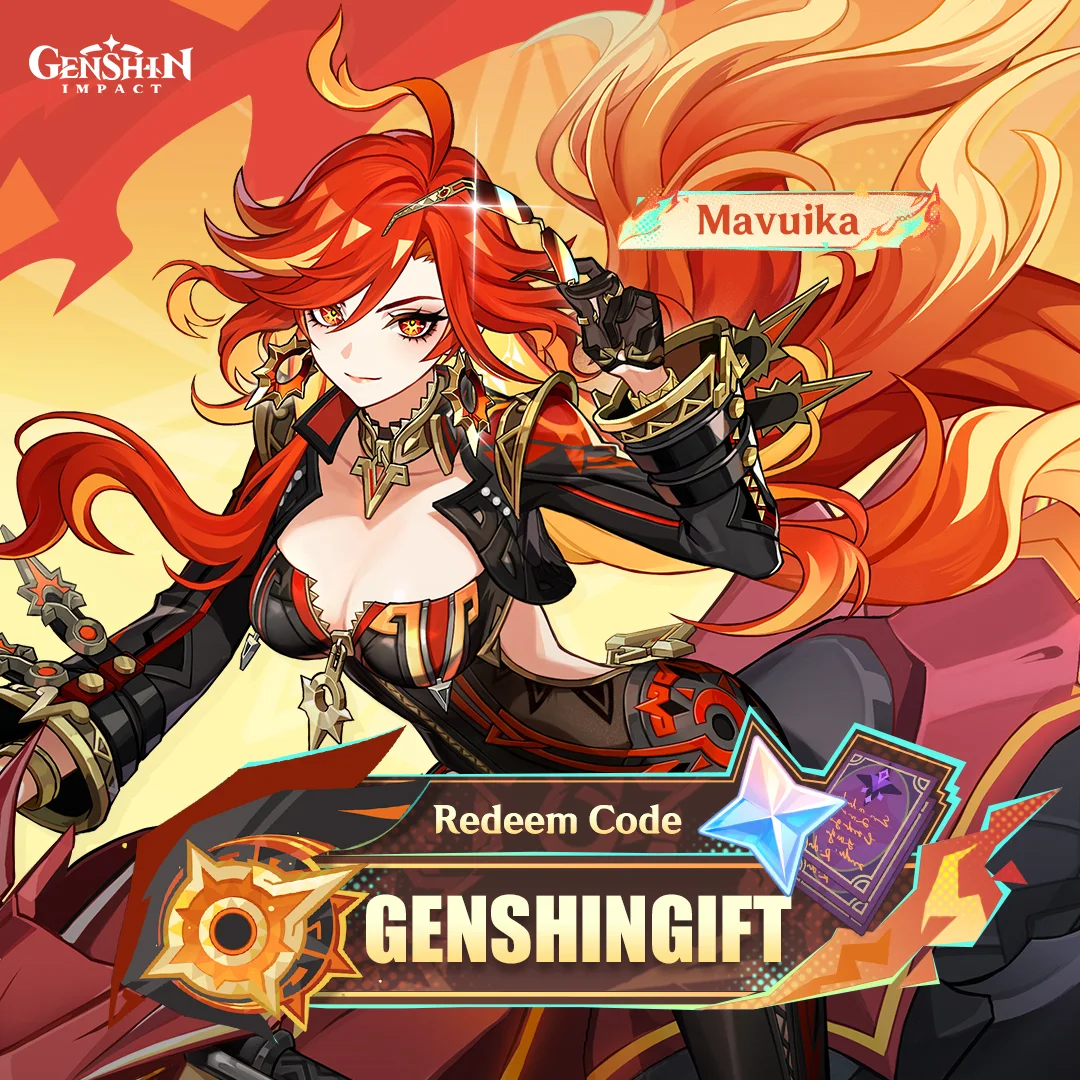
Quick answer
Understand the Genshin Impact gacha system through character design, player choice, banners and the live-service structure behind Teyvat’s evolving world.
- Focus
- Origins
- Game
- Gaming culture
- Reading time
- 4 MIN
The Genshin Impact gacha system is easy to describe in mechanical terms. Players earn or buy wishes, banners offer limited characters and outcomes are random. That explanation is correct, but it misses why the system has such a strong pull. Genshin attaches its gacha to characters who already have a place in Teyvat. Their design, story and combat style are part of the same package. That connection sits at the heart of Genshin Impact's wider anime and HoYoverse blueprint.
In many RPGs, a new character starts as a class. Tank, healer, damage dealer or support comes first. Genshin can use those roles too, but it leads with personality. A player notices a voice line, a costume, a weapon type or a story appearance before opening the detailed ability screen.
That order matters. The game makes characters feel like residents of a world rather than pieces added to a menu. Their quest, region and relationships give a banner emotional context. By the time a player sees the probability screen, they may already know why the character appeals to them.
This is an effective piece of design, but it also calls for clear thinking from players. Liking a character and needing a character are not the same thing. A player can enjoy a story, save artwork or follow a favourite without treating every banner as a purchase decision.
Randomised rewards work differently from a normal shop. The question is not simply whether an item is worth a fixed price. It becomes a question about chance, patience and limits. That can make a limited-time character feel more urgent than the actual gameplay need would suggest.
The healthiest way to approach a gacha system is to decide your boundary before opening the wish screen. Free resources, a saving goal or a fixed entertainment budget are all clearer choices than reacting to a banner in the moment. If the system stops feeling fun, taking a break is a reasonable response. No character is required to justify discomfort or spending beyond your plan.
This also makes the rest of the game easier to enjoy. When a banner is treated as an option rather than an obligation, exploration and story can return to their proper place. Players can experiment with the roster they already own, learn a new reaction or revisit a quest without measuring every session against the newest release.
Genshin's presentation gives each release a strong identity. Trailers, demo music, in-game quests and burst animations all tell the player how to feel about a character. This is where the game's anime influence becomes most visible. The character is introduced as a small event, not only as a new statistical option.
That presentation can be genuinely enjoyable. It also explains why an informed player should separate appreciation from urgency. A great trailer is evidence of strong art direction. It is not evidence that a character is essential for every team or every account.
For more on the visual language behind this approach, read the anime influences behind Genshin Impact.
Genshin is built to update over time. New regions, story chapters, events and characters give returning players something to discover. Character banners are one part of that loop, but they are not the whole game. Exploration, quests, music and co-op moments can all provide value without a new pull.
The best live-service rhythm gives players several reasons to return. A new character may be one of them, but a strong region or story chapter should still stand on its own. That balance keeps the world interesting for people who pull often, save carefully or do not engage with every banner at all.
This distinction is worth protecting. A player who enjoys the world on their own terms is more likely to keep enjoying it. A player who feels pressured to keep up with every release can lose the sense of adventure that made the game attractive in the first place.
The useful question is rarely whether a banner is objectively good. Ask what you want from the game this month. Are you looking for a new combat style, a favourite character, a story connection or simply a reason to explore again? If the answer is unclear, waiting is often the best decision.
Genshin's character design is strong enough that players will always have a new favourite. That is part of its charm. The game is more enjoyable when each choice remains personal and deliberate.
If you are looking for a different kind of character-led adventure rather than another banner, our games like Genshin Impact guide helps separate alternatives by story, exploration and combat.
Ria leads GamingMor’s story-first coverage of games, anime and the people behind them.