
The Anime Influences Behind Genshin Impact
Explore the anime and JRPG influences behind Genshin Impact, from character design and elemental combat to Teyvat’s emotional worldbuilding and lore today.
 By Ria Amano SEP 12, 2026 4 MIN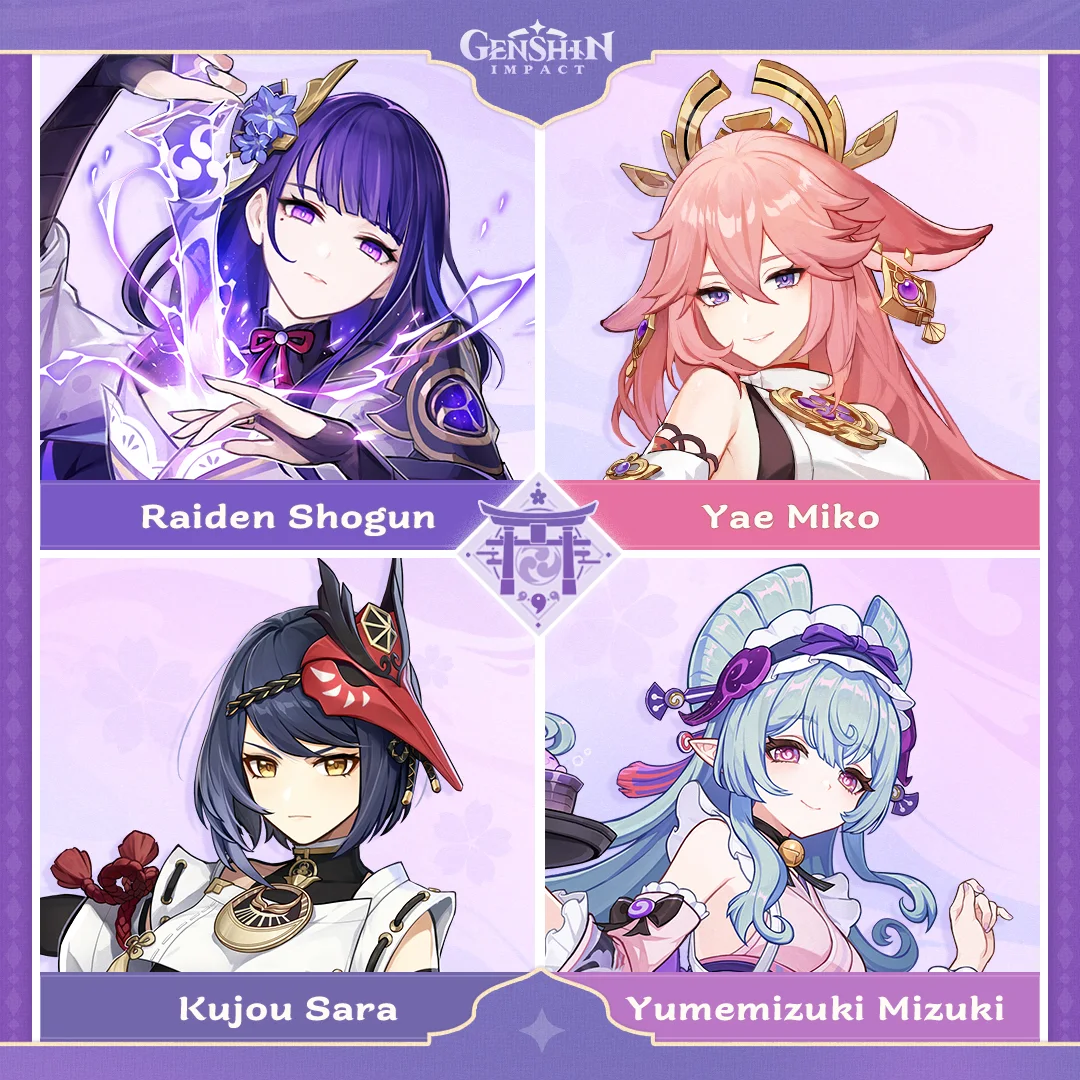
Quick answer
Explore the anime and JRPG influences behind Genshin Impact, from character design and elemental combat to Teyvat’s emotional worldbuilding and lore today.
- Focus
- Origins
- Game
- Gaming culture
- Reading time
- 4 MIN
Genshin Impact is often described as an anime game, but that label only explains the surface. The game borrows a whole creative grammar: characters that can be read at a glance, combat that turns emotion into spectacle, and a world where every region has its own mood. Those choices are a major part of the wider story of Genshin Impact's lore and HoYoverse identity.
Anime and JRPG casts have a practical problem to solve. Players need to remember a large number of characters quickly. The best designs create a clear first impression without making everyone feel identical. Hair, colour, posture, costume, weapon and voice work together to suggest a role before the story fills in the detail.
Genshin uses that language with unusual discipline. A knight, a funeral director, a wandering samurai or a scholar can all be identified from their silhouette. Their elemental power is not simply a combat tag. It becomes part of the character fantasy. An Anemo fighter feels light and mobile. A Geo character can feel steady, formal or protective. The visual design gives the player an emotional shortcut, then quests add more layers.
That is why Genshin's roster feels closer to an ensemble anime than to a traditional fantasy party. The game asks players to care about personalities, relationships and small details in a costume as much as damage numbers.
Genshin's exploration is open, but its character writing still follows JRPG habits. The game introduces a group, establishes a conflict, then lets individual stories reveal different sides of the world. A region becomes more than a landscape when its politics, food, music and local characters share the same point of view.
This approach is familiar to players who love series such as Final Fantasy, Tales or Xenoblade. The world is large, yet the player keeps returning to people. A city matters because someone has a reason to protect it. A crisis matters because it changes a character who has already earned attention.
The party system makes that connection playable. Switching characters is not only a way to trigger an elemental reaction. It changes the visual rhythm of a fight and lets several personalities share the same moment. A team can feel like a small cast with its own energy, even when the player is simply exploring or clearing a familiar challenge.
This is one reason Genshin's best stories tend to land when a regional conflict and a personal conflict meet. The larger lore gives the scene weight. The character gives it a face. Neither part needs to carry the whole emotional load alone.
The difference is pacing. In a single-player JRPG, the writer controls the route. Genshin has to leave room for exploration, events and long gaps between story chapters. That makes its strongest character moments especially important. They give the player a thread to hold while the world continues to expand.
Elemental bursts are one of Genshin's clearest anime influences. They are not quiet attacks. They pause the action, frame a character and let a signature animation carry the moment. The idea is close to transformation scenes and finishing moves in anime: power should tell you something about the person using it.
The effect is not only visual. A memorable burst makes party rotation easier to understand. Players learn a rhythm through animations they enjoy watching. It is a good example of style serving gameplay instead of sitting on top of it.
Teyvat changes tone from nation to nation. Mondstadt leans toward open skies and old European fantasy. Liyue places trade, contracts and mountains at its centre. Inazuma brings isolation and ritual into sharper focus. Later regions continue that habit of using architecture, music and local customs to make a location feel distinct.
This is not a claim that each place is a copy of one real culture. Genshin filters many influences through fantasy, anime and game design. The useful point is how consistently it gives each nation a readable identity. Players can tell where they are before the map tells them.
If worldbuilding is the reason you stay with a game, the Anime Story Worlds tier list looks at other games that give setting the same kind of attention.
The anime influence in Genshin is not decoration. It shapes how the game introduces characters, stages combat and makes long-form lore feel personal. It also explains why a comparison based only on open-world mechanics misses the point. Genshin's real achievement is combining exploration with the emotional economy of an anime ensemble.
That combination will not work for every player. Some people want a quieter fantasy world or a more demanding action game. For those who want a similar character-led adventure, our games like Genshin Impact guide separates the alternatives by what they actually share: exploration, story, combat or anime atmosphere.
Ria leads GamingMor’s story-first coverage of games, anime and the people behind them.