
The Anime and Urban Fantasy Influences Behind Neverness to Everness
From Persona-style investigations to Evangelion imagery and real anime Easter eggs, here's where Neverness to Everness's visual identity and tone actually come from.
 By Ria Amano SEP 15, 2026 8 MIN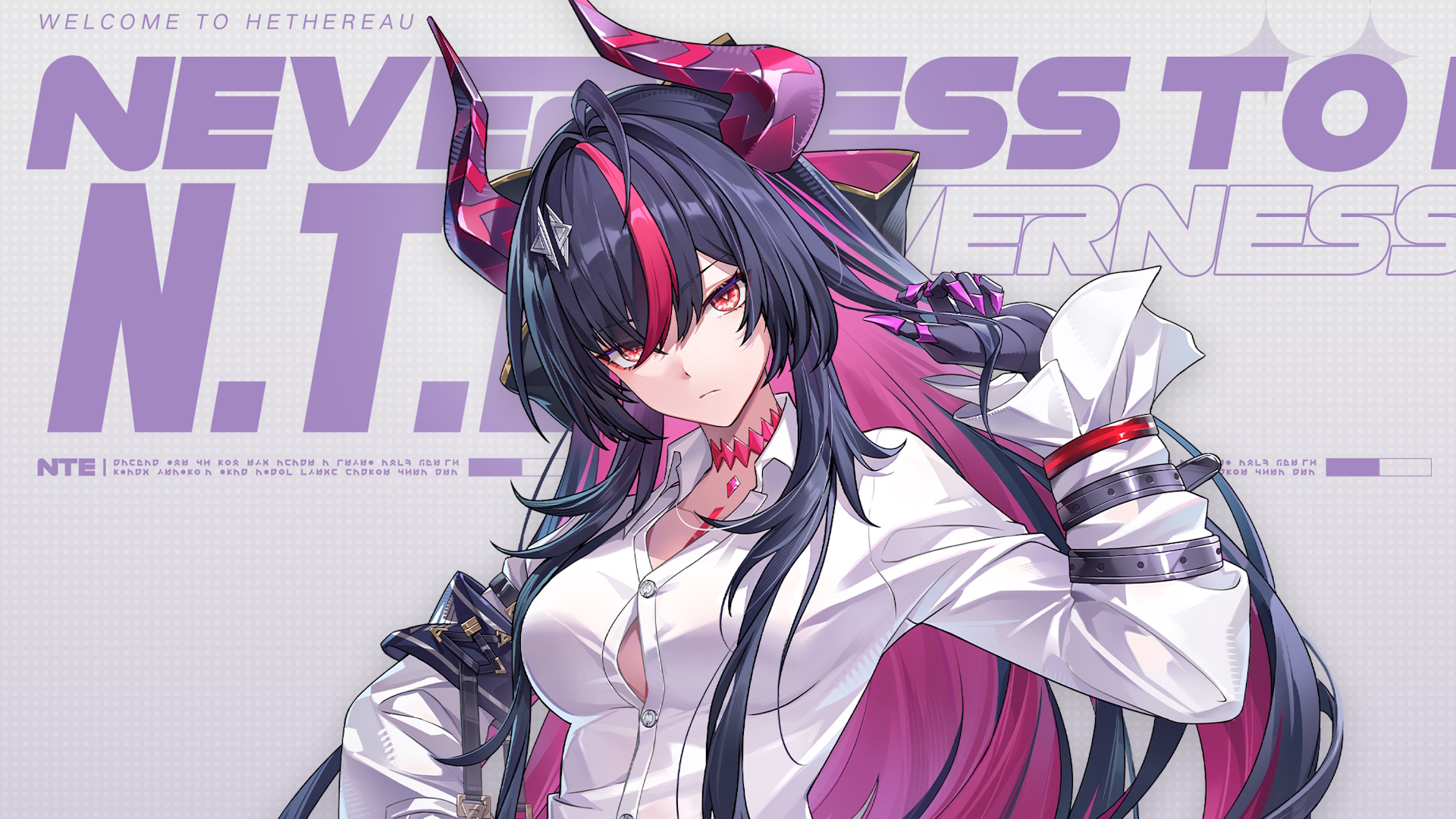
Quick answer
From Persona-style investigations to Evangelion imagery and real anime Easter eggs, here's where Neverness to Everness's visual identity and tone actually come from.
- Focus
- Origins
- Game
- Neverness to Everness
- Reading time
- 8 MIN
Every pitch for Neverness to Everness starts the same way: "anime GTA." It's a decent hook, but it undersells what Hotta Studio actually built. NTE isn't chasing one anime, it's stitching together a specific strand of urban fantasy that runs through decades of Japanese pop culture, then layering direct, deliberate references on top. Here's where that identity actually comes from.
A City Built for Coexistence, Not Conquest
The single biggest departure from genre norms is structural: Hethereau isn't a set of themed zones you unlock one biome at a time. It's one continuous, densely detailed metropolis where the mundane (convenience stores, tofu shops, apartment blocks) sits directly next to the supernatural (Anomaly zones, haunted objects, cosmic-horror set pieces). Reviewers have repeatedly pointed to this blend, daily life interrupted by the paranormal, as closer to urban fantasy anime and manga traditions than to the mythic, world-spanning fantasy of most open-world gacha games.
The narrative structure reinforces this. NTE's main story runs as a series of self-contained "case files" investigated by the Eibon Antique Shop crew, alternating between lighthearted slice-of-life beats and genuinely dark encounters. Critics have drawn direct lines to Persona's investigation pacing, Lord of the Mysteries' supernatural case-file format, and the tonal whiplash of The X-Files, mundane one scene, cosmic the next.
The Anomalies as Urban Legend Made Literal
NTE's Anomalies work as a mechanical excuse to turn urban legends and abandoned-object horror into boss fights. One of the game's earliest showcased enemies, "Picture Frame," is described as an empty frame that's absorbed decades of resentment from being discarded after the art inside it was preserved and it wasn't, a very manga-coded idea of objects gaining will through neglect, familiar to anyone who's read a proper urban-legend anthology or watched a "cursed object" arc in a supernatural anime.
Direct References Hiding in the City
Beyond tone, NTE packs Hethereau with concrete, spottable homages:
- Initial D, a tofu shop and a parked car resembling the Fujiwara Tofu Shop's Toyota Sprinter Trueno, tucked into the Miguel District's Yurutown area
- Neon Genesis Evangelion, the Nautili Tunnel's "Sea Prisoner" stage features a red ocean dotted with cross-shaped structures, a direct visual quote of Evangelion's apocalyptic imagery
- Steins;Gate, an Akihabara-inspired area houses an object resembling the show's time machine
- Love, Chunibyo & Other Delusions!, Clement Academy's Occult Club room mirrors the anime's club room down to furniture placement
- Persona 5, parts of the Miguel District echo Zoshigaya-style streets, plus an unlockable Persona-themed photo mode filter
- Crayon Shin-chan, a residential house in Miguel District matches the Nohara family home's layout
Real-world architecture gets the same treatment: New Herland District includes a structure modeled on Tokyo's Fuji TV Building, and multiple districts recreate the density and signage language of Akihabara and Shibuya.
Character Design: Where the Influence Argument Gets Messy
Not every comparison is a compliment. Early character reveals drew criticism from the gacha community for feeling derivative of established archetypes from other anime-style RPGs, some pointed specifically to visual overlap between NTE's Skia and Zenless Zone Zero's Lycaon. Separately, players flagged specific background assets (a billboard replicating a Weathering With You-style scene, an old-timey animated TV clip) as showing signs of AI-assisted generation, sparking debate over whether these were homages, placeholder-quality art, or something more concerning. Hotta Studio hasn't issued a detailed public breakdown of its asset pipeline in response, so treat this as an open, disputed point rather than settled fact.
Where the character design does land, per multiple reviews, is restraint: the cast leans less on the "fan-service first" silhouette language some gacha games default to, reserving more provocative designs for adult characters while keeping younger cast members clearly age-appropriate.
The Aesthetic Beyond the References
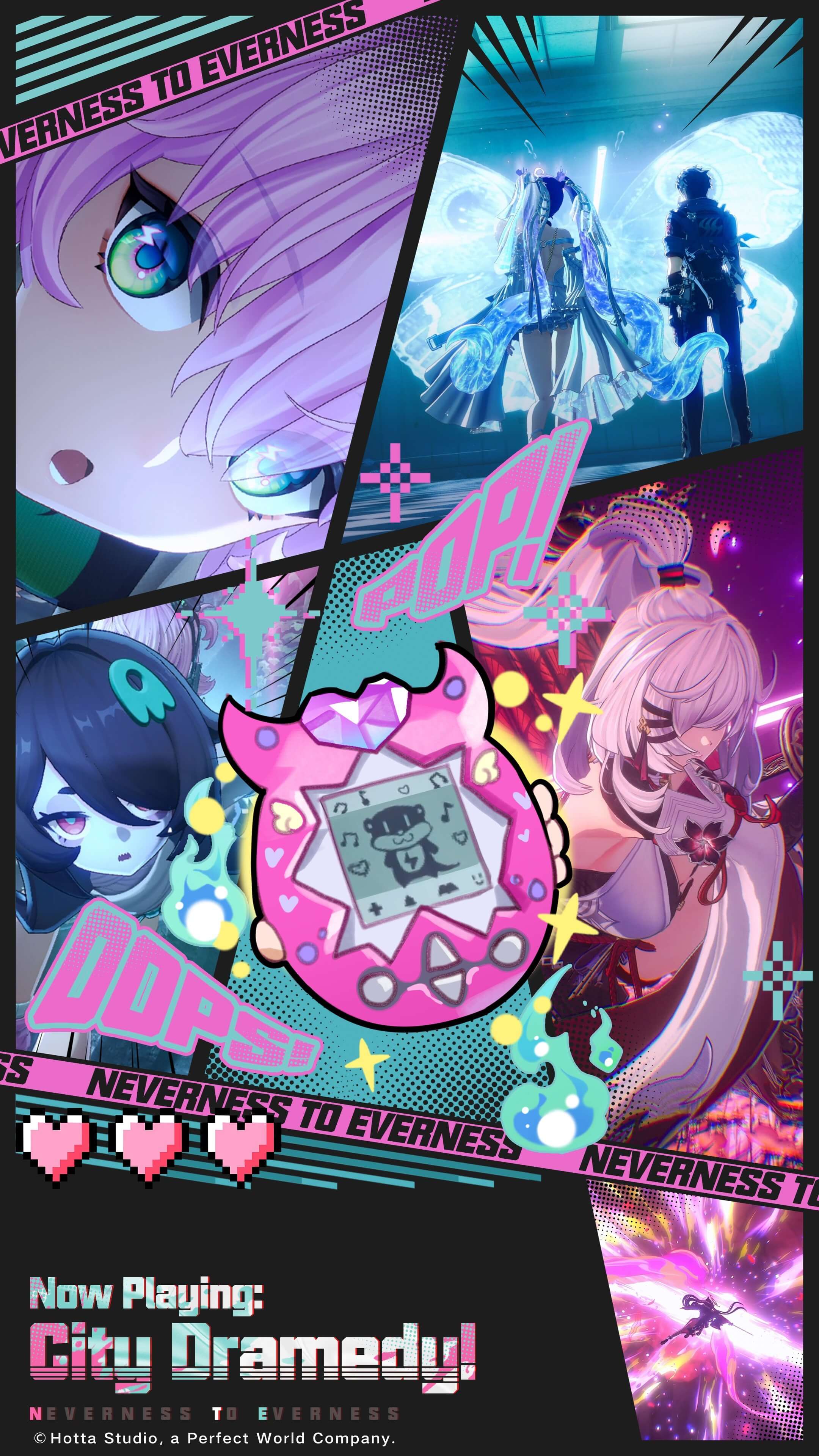
Independent of specific homages, reviewers single out NTE's environmental art direction as its strongest asset, cherry blossom-lined avenues, a coastal train ride with a deliberately spare color palette, a hidden carnival existing outside normal space and time. The city uses a genuinely wide range of illustration styles for its supernatural touches: neon-lit graffiti, line-drawn overlays, splash-art bursts of color, paper-plane motifs. It's this range, more than any single anime lookalike scene, that gives Hethereau its identity as urban folk horror with an anime skin.
Related Reading
- New to NTE entirely? Start with our Origins hub piece: [Neverness to Everness: Everything We Know About NTE].
- Want to see how this urban-fantasy identity plays out against a more traditional fantasy world? Read our Comparisons piece on NTE vs. Genshin Impact.
- Looking for more games with this same urban-legend-meets-daily-life energy? See our Recommendations list of games like NTE.
Sources
- Roonby, "All Anime Reference in Neverness to Everness Guide & Where to Find!"
- Basil Mariner Chase (WordPress), "A World of Incomplete Potential, Neverness to Everness"
- TheGamesWiki (NTE Wiki), Main Story overview
- GosuGamers, "Neverness to Everness accused of using gen AI for Weathering With You-like artwork"
- Hardcore Gamer, "Neverness to Everness Looks Like the Love Child of Genshin Impact and Need for Speed"
- TV Tropes, Neverness to Everness (Video Game)
Ria leads GamingMor’s story-first coverage of games, anime and the people behind them.